forward-medical

Minor Procedures

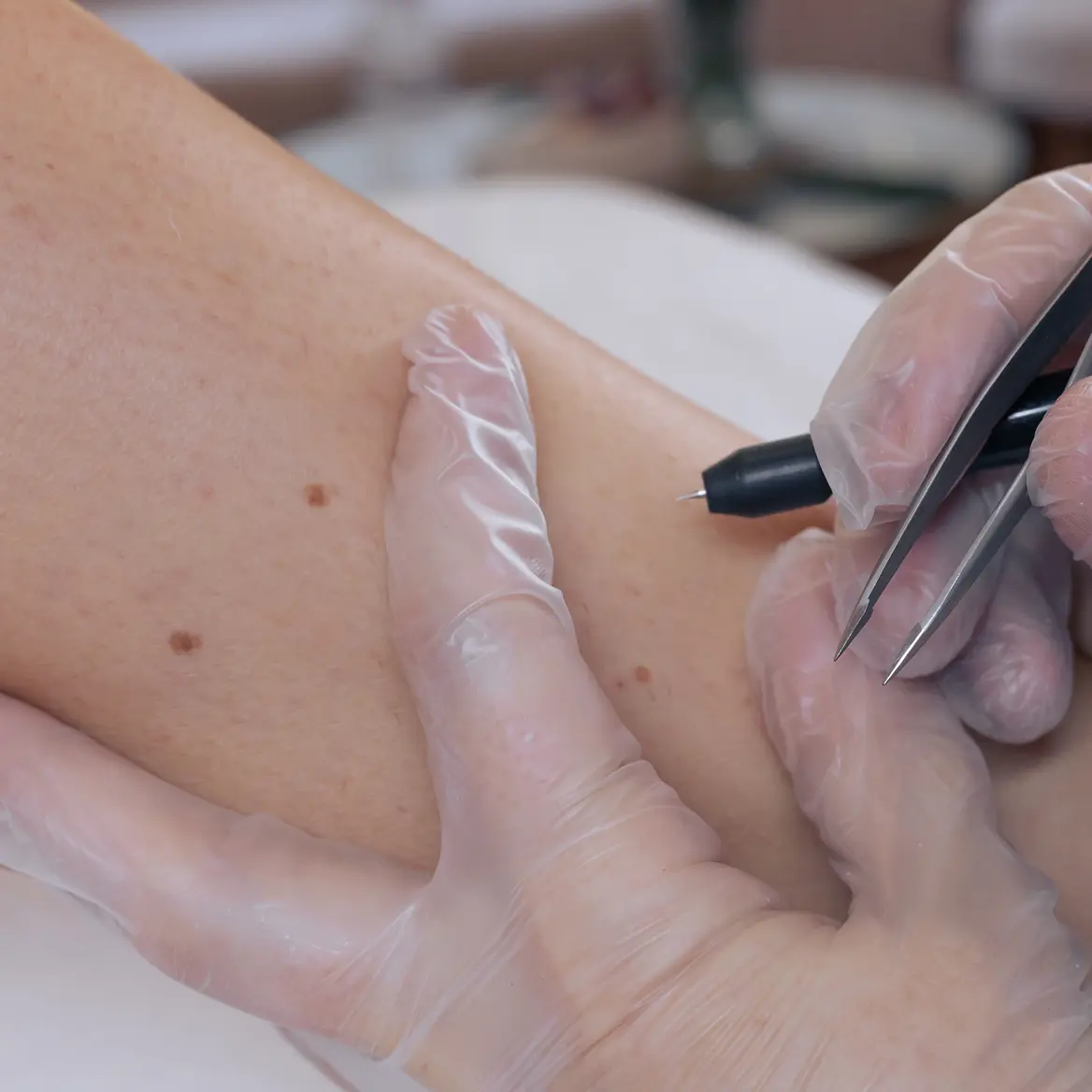
Procedure List

Cryotherapy

Precision freezing of lesions using liquid nitrogen for effective removal.

Skin lesion biopsy

Diagnostic tissue sampling to ensure accurate pathological identification.

Skin lesion excision

Complete surgical removal of concerning lesions with aesthetic precision.

Foreign body removal

Safe extraction of embedded materials with minimal tissue trauma.

Wound repair

Expert suturing and closure for acute injuries to promote scarring-free healing.

IUD/Implanon Care

Specialized insertion and removal services for long-term contraception.

Abscess Incision & Drainage

A quick, in-clinic procedure to safely drain small abscesses, reduce pain, and promote faster healing

Minor Wound Treatment

Safe and effective wound care performed under sterile medical conditions

Implant Insertion & Removal

Quick and minimally invasive contraceptive implant insertion and removal by experienced healthcare professionals

Quality of Care

We offer a range of minor procedures in conjunction with our extensive skin care services completed by our highly experienced doctors. Please refer to the fees page for our fee schedule. Patients must note that any surgical or invasive procedure carries risks, and  should ensure they are sufficiently informed of all aspects before proceeding.
Skin Lesion Biopsy
This is a simple medical procedure performed for diagnostic purposes only, where a sample of skin is removed and sent off for testing in a laboratory. A biopsy is most commonly carried out in order to ascertain the cause of a growth, wound, or rash. Some examples include non carcinogenic growths, changing moles, precancerous cells, rashes and other skin conditions, as well as chronic fungal or bacterial infections.
There are various methods whereby a sample is collected, such as a “punch” biopsy, and “shave” biopsy. Both require local anaesthetic, but there is no need for sutures in most cases
Local anaesthetic is used to numb the biopsy site, which will be administered just prior to the procedure. The sample size taken will be just large enough for the laboratory technicians to carry out tests to identify the cause of the lesion, but is often very small, sometimes being the size of a grain of rice. The biopsy sample might be larger, should the entire lesion be remove.
A punch biopsy is performed using a circular-shaped instrument called a punch, which is placed directly over the lesion, pushed down, then slowly rotated to remove a small, round piece of skin.
Alternatively, a shave biopsy requires the use of a scalpel (a sharp surgical knife), to shave a section of the lesion off.
In both cases, the biopsy site is then covered by a sterile dressing or bandage. Please be aware that there is always a possibility of soreness and scarring, although our doctor will attempt to minimise this.
skin lesion excision
Skin Lesion Excision
A skin lesion excision employs a similar process to a lesion biopsy, however there are some important differences to note. The purpose of this procedure is to completely remove the lesion, for various reasons, such as cosmetic, symptomatic (for example if it is sensitive or prone to being bumped), or, most importantly, to remove a cancerous growth before it spreads.
The site will be locally anaesthetised, and a larger, deeper cut will be made when compared to a biopsy, and may even require flaps (a wound closure technique) in certain situations. This procedure also involves sutures to close the site, which will need to be removed one to two weeks later by our doctor.
Our doctor considers the aesthetic outcome of all procedures, and always puts patients' concerns first. Having said that, there is always a possibility of scarring and soreness around the site.
Cryotherapy
Cryotherapy is a technique whereby extremely low temperatures are used locally to remove skin lesions, for example warts. Our doctor uses liquid nitrogen for these procedures, in order to offer the most effective treatment. The nitrogen is applied to the lesion for a few seconds, dependant upon the preferred depth and diameter of freeze. This process may be repeated in come cases, once the area has thawed, normally treatment reserved for resistant warts or skin cancers.
Patients should be aware that occasionally the treated area may blister, but overall this process is mostly pain-free.
Scroll to Top